
The fastest way to track storage keyword rankings is to pair Google Search Console with a dedicated rank tracker set to your service area, then check daily on your top local queries and weekly on everything else. GSC gives you real impressions and clicks from actual searchers. A tracker like Semrush's Position Tracking shows exactly where you sit on any given day, by city or ZIP code, with alerts when something moves. Corvane Systems builds this exact setup for storage clients every month.
Start with three moves this week:
- Add your top 20 storage keywords to Google Search Console's Performance report.
- Set up daily tracking for "storage near me" and your city-specific variants.
- Tag keywords sitting in positions 4 through 20 as striking distance and watch them closely.
Key Takeaways
Tracking storage keyword rankings works best when Google Search Console's real user data pairs with a daily rank tracker focused on local, high-intent queries.
| Point | Details |
|---|---|
| Combine two data sources | Use Google Search Console for real impressions and clicks, and a tracker for location snapshots and alerts. |
| Prioritize striking distance | Focus first on keywords ranking 4 to 20, since small fixes move them fastest. |
| Watch visibility, not just position | A high share-of-clicks metric reflects real traffic potential better than one ranking number. |
| Set real alert thresholds | Trigger a diagnostic on a five-position overnight drop or a 10% weekly visibility decline. |
| Get expert help when needed | Corvane Systems offers a flat-rate visibility audit covering GSC, rank snapshots, and AI search visibility for storage facilities. |
Table of Contents
- Which Metrics Actually Matter When You Track Storage Keyword Rankings
- Which Tools Should You Use to Track Rankings, Free or Paid?
- How Do You Set Up a Repeatable Tracking Workflow?
- Storage-Specific Tracking Tips That Actually Move Bookings
- How Do You Prioritize Fixes When Rankings Change?
- What Mistakes Wreck Your Ranking Data (and How to Fix Them)
- How Corvane Systems Can Help You Track and Fix Storage Rankings
- Frequently Asked Questions
- Sources
Which Metrics Actually Matter When You Track Storage Keyword Rankings
Position alone tells you almost nothing useful. A facility ranking #3 for "climate controlled storage [city]" is worth more than one ranking #1 for a generic term nobody searches with intent to rent. The metrics worth your attention:
- Position — where you land in organic results, but only as one input, not the whole story.
- Visibility — your estimated share of clicks across every keyword you track, a metric Ahrefs Rank Tracker calculates by weighting position against search volume.
- Impressions and clicks — pulled directly from Google Search Console, showing what real users actually saw and did.
- CTR — how often an impression turns into a click, which flags a weak title tag even when position looks fine.
- SERP features — local pack placement, map results, and knowledge panels often matter more than the blue link for "storage near me" searches.
Striking distance keywords, those in the range just outside the top spots but still on the first or second page, deserve the most attention because they respond fastest to small fixes. A title rewrite or a fresh Google Business Profile photo can push a page from position 12 to position 6 in days, while a page stuck at position 45 usually needs months of structural work. Track device (mobile versus desktop) and location granularity separately, since a facility can rank differently by ZIP code even within the same city.
Which Tools Should You Use to Track Rankings, Free or Paid?
You don't need five subscriptions to do this well. Most storage operators need three tool categories working together, not one all-in-one platform.
Google Search Console comes first because it's free and it's the only source showing your actual impressions and clicks, not an estimate. Free rank checkers from Semrush or Seobility handle ad-hoc spot checks when you want to see where you sit today without paying for ongoing monitoring. Paid daily trackers like SERPWatcher, Moz, or Nightwatch earn their keep once you're managing multiple locations or need alerts the moment a keyword drops.
| Tool category | Best for | Cost | Geo granularity | Update frequency | SERP features tracked |
|---|---|---|---|---|---|
| Google Search Console | Any storage business, any budget | Free | City-level, via query filters | Daily, with a data lag | Limited (no local pack detail) |
| Seobility / free checkers | Ad-hoc single-facility checks | Free | Basic city/ZIP | On-demand | Minimal |
| Semrush / Ahrefs / Moz | Ongoing multi-location tracking | Paid monthly | City, ZIP, radius | Daily | Local pack, snippets, reviews |
| SERPWatcher | Small teams wanting simple daily alerts | Paid monthly | City-level | Daily | Local pack |
Start with GSC plus one affordable daily tracker on your top keywords. Upgrade to an enterprise plan like full Ahrefs or Moz once you're managing more than one facility location or need historical data stretching past 90 days.
How Do You Set Up a Repeatable Tracking Workflow?
A tracking system that lives in your head instead of a spreadsheet falls apart the first busy week. Build it once, and it runs itself.
- Group keywords by intent and page. Separate "storage near me" and unit-size terms from informational queries like "how to pack a storage unit."
- Add everything to Google Search Console and your rank tracker simultaneously, so both data sources stay in sync from day one.
- Set location and device targeting to match your actual service area, not just your city name.
- Configure alerts for moves of five positions or more on high-intent keywords.
- Schedule a weekly report that pulls visibility trends, not just a snapshot.
Cover these storage-specific items in your keyword groups:
- "Storage near me" and city-specific variants
- Google Business Profile ranking signals (map pack position)
- Service-area pages for each city or ZIP you serve
- Unit-availability and unit-size pages
- Seasonal terms tied to moving season or winter storage demand
Pro Tip: Tag your striking-distance keywords in a separate group and set a tighter alert threshold on them, three positions instead of five. That group is where a single afternoon of metadata edits pays off fastest.
Check your top 10 to 15 keywords daily. Everything else can wait for the weekly review. Export historical data to CSV monthly so you have a record when you need to prove a campaign's impact six months from now.
Storage-Specific Tracking Tips That Actually Move Bookings
Generic SEO advice treats every industry the same, and that's exactly why so many facility websites rank fine but still don't fill units. Storage near me searches carry rental intent that a query like "storage unit tips" never will, so weight your tracking accordingly.
Watch three query types closest: branded "near me" phrases, unit-size pages like "10x10 storage unit [city]," and seasonal spikes around moving season and late fall when people need winter storage. A facility that ignores the seasonal pattern misses the exact window when search volume, and booking intent, peaks.
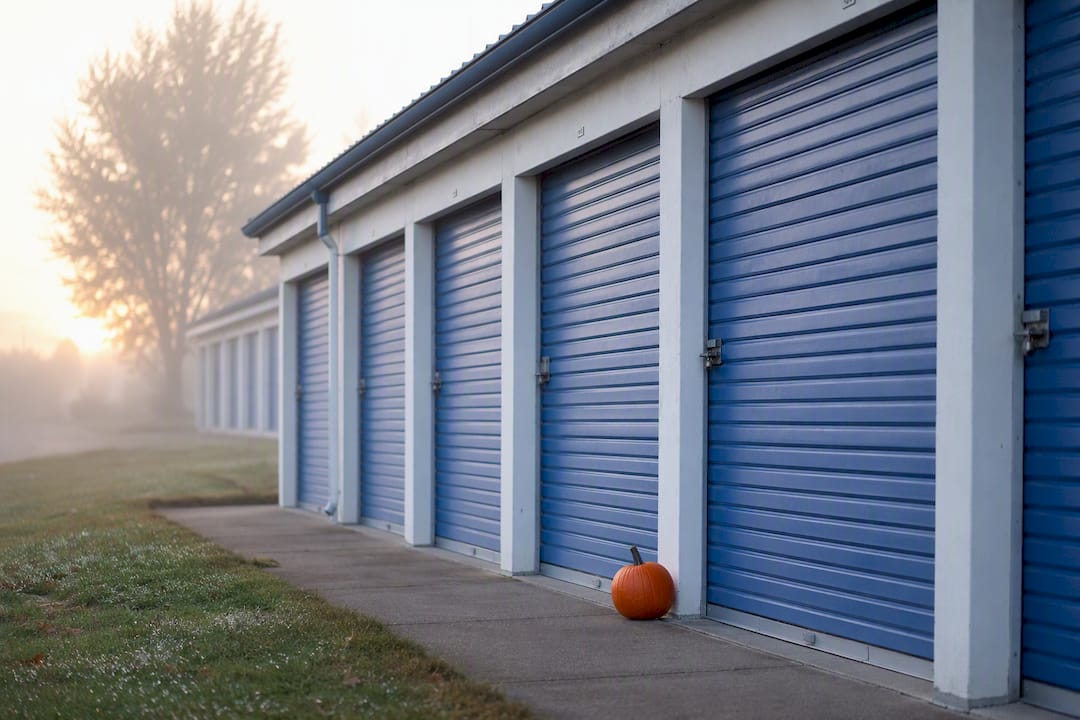
Pro Tip: Update your Google Business Profile hours, photos, and unit pricing the same week you see a seasonal keyword start climbing. GBP freshness signals often move map pack position faster than a blog post ever will.
Five moves you can make this week:
- Refresh availability text on your three highest-traffic unit pages.
- Add or update photos on your Google Business Profile.
- Add structured data markup to your service-area pages.
- Check that your phone number and address match exactly across every directory listing.
- Compare your map pack position against two nearby competitors using your tracker.
How Do You Prioritize Fixes When Rankings Change?
Not every ranking drop deserves a fire drill, and not every gain deserves a celebration. Build a simple decision framework before you react to noise.
- Sort by conversion intent first. A five-position drop on "storage near me" matters more than the same drop on an informational blog post.
- Check the effort-to-win ratio. A striking-distance keyword needing a title tweak beats a page stuck at position 60 needing new backlinks.
- Set a real alert threshold. A drop of more than five positions overnight on a high-intent keyword, or a visibility decline of more than 10% over seven days, should trigger a diagnostic, not a shrug.
- Validate before you panic. Cross-check the drop against Google Search Console impressions and clicks, since a tracker glitch can look identical to a real loss.
Rankings recover from real signal changes, not from checking twice a day and hoping.
What Mistakes Wreck Your Ranking Data (and How to Fix Them)
Bad data leads to bad decisions, and rank tracking is full of ways to fool yourself.
- Manual checking skews results because your own search history and location personalize what you see, which is why professional trackers deliver more neutral data.
- Mixing scraped estimates with Google Search Console numbers creates confusion when the two don't match, since they measure different things.
- Ignoring device and location differences hides real problems, since a facility can rank well on desktop and poorly on mobile in the same city.
- Overreacting to single-day noise wastes time chasing normal SERP volatility instead of real trends.
- Never tying rankings to bookings means you're optimizing a number that doesn't pay rent.
Reconcile your tracker against GSC weekly, and check for a Google algorithm update before you assume your site broke something.
A Practitioner's Take on What Actually Moves the Needle
Storage operators chase position #1 far more than they chase actual rental inquiries, and that's backward. In my work with facility owners, the sites that fill units fastest are the ones tracking striking-distance keywords weekly and updating their Google Business Profile the same day, not the ones with the prettiest rank-tracking dashboard. If you want a second opinion on your current setup, ask for a sample visibility report and see what it actually shows.

How Corvane Systems Can Help You Track and Fix Storage Rankings
Corvane Systems runs this exact tracking workflow for self-storage operators every month, but without the agency retainer or the guesswork of piecing five tools together yourself. We combine Google Search Console data, daily local rank snapshots, and AI visibility checks across ChatGPT, Claude, and Perplexity into one flat-rate monthly service built specifically for storage facilities.
A visibility audit from Corvane Systems covers your current Search Console performance, a rank snapshot for your top local queries, and a check of how your facility shows up (or doesn't) inside AI search tools. You get a straightforward report, not a sales deck. This is a paid service with one flat monthly rate, no tiers and no long-term contracts. Request an AI visibility audit to see exactly where your facility stands today and what would move the needle fastest.
Frequently Asked Questions
How often should I check my storage keyword rankings?
Check your top 10 to 15 high-intent keywords daily, since local pack positions can shift quickly. Review the rest of your keyword list weekly, and pull a full visibility report monthly to spot longer trends.
Is Google Search Console enough on its own to track storage keyword rankings?
Google Search Console gives you real impressions and clicks, but it doesn't show competitor positions or SERP features like the local pack. Pairing it with a dedicated rank tracker fills that gap.
What's a striking distance keyword and why does it matter for storage SEO?
A striking distance keyword sits roughly in positions 4 through 20, close enough to page one that a small change, a better title tag, a fresh photo, an updated Google Business Profile listing, can push it up quickly.
Should I track desktop and mobile rankings separately?
Yes. A storage facility can rank well on desktop and poorly on mobile in the same city, and most "storage near me" searches happen on mobile devices.
How do I know if a ranking drop is a real problem or just normal noise?
Compare the drop against your Google Search Console impressions and clicks. If both dropped alongside the ranking, and the decline holds for more than a few days, it's likely a real issue worth investigating rather than daily SERP volatility.
Sources
- Free Keyword Rank Checker: Check Website Ranking
- Rank Tracker by Ahrefs: Track Keyword Rankings Globally
- Daily Keyword Rank Tracking — 24-Hour Updates | Nightwatch