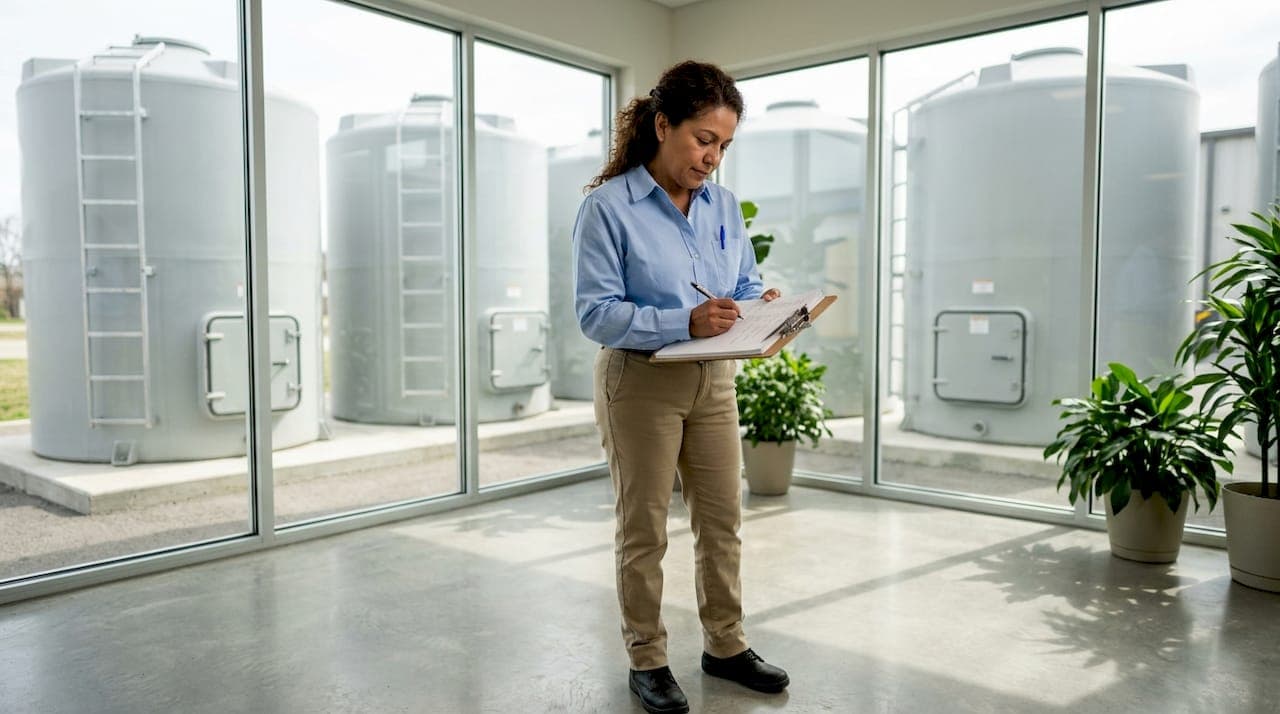
Filling storage units fast is defined as the rapid increase in unit occupancy through a combination of infrastructure readiness, space optimization, and customer-centric leasing. Facility operators who achieve this do not rely on a single tactic. They combine modular deployment methods, vertical storage systems that reclaim up to 90% of floor space, and flexible rental terms that capture demand the moment it appears. This guide covers the specific methods that move occupancy numbers quickly, what mistakes slow operators down, and how to build a system that fills units consistently.
How to fill storage units fast with the right infrastructure
The fastest path to higher occupancy starts with physical readiness. A facility that cannot accommodate new renters immediately loses them to the next option down the road.
Modular storage solutions can be installed within 3–4 days and add between 5,000 and 60,000 metric tons of capacity in a single deployment. That speed matters when demand spikes seasonally or after a local event like a flood or a neighborhood redevelopment project. Operators who wait weeks for permanent construction lose those renters permanently.
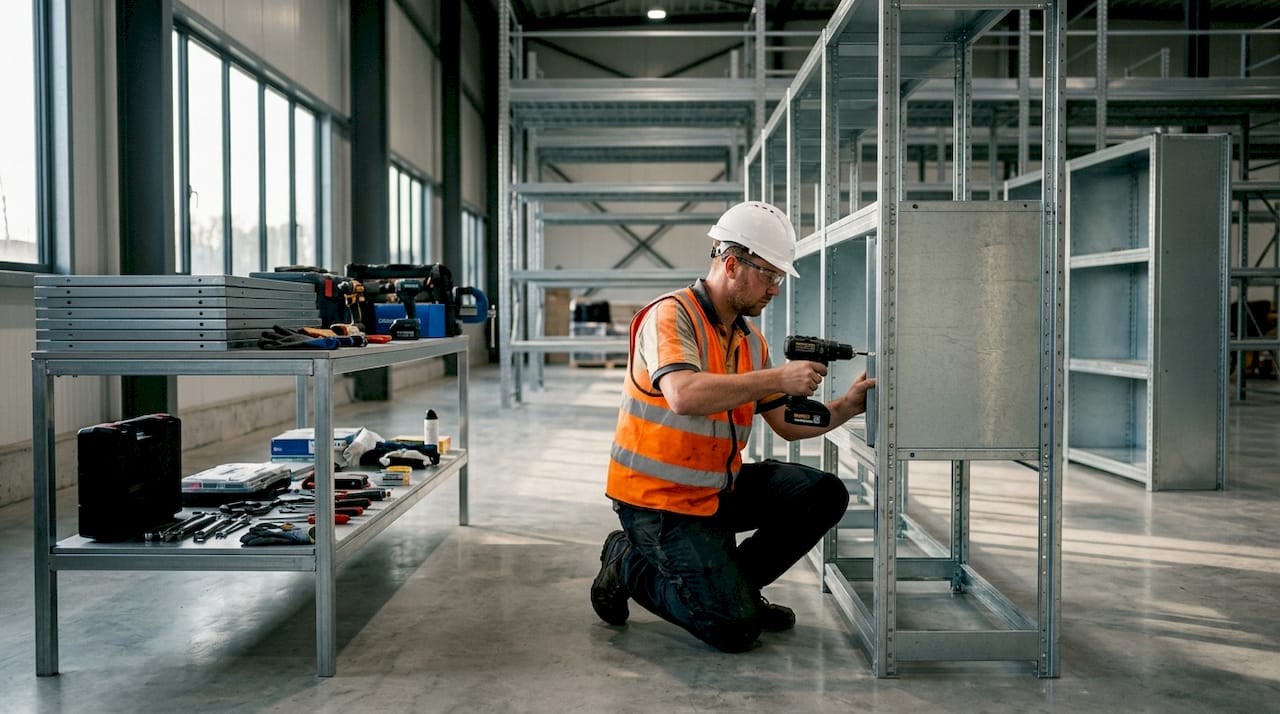
Vertical storage systems are the most underused tool in the self-storage industry. Vertical systems reclaim up to 90% of floor space in optimized environments. That means a facility with 10,000 square feet of floor area can effectively serve the rental volume of a much larger property without adding a single square foot of land.
Layout design also drives fill rates. Ground-level, drive-up access units consistently outperform upper-floor or interior units in leasing velocity. Renters choose the path of least resistance. A unit they can back a truck up to and unload in 20 minutes beats a climate-controlled interior unit every time, especially for first-time renters.
| Infrastructure option | Setup time | Capacity benefit |
|---|---|---|
| Modular ground silos | 3–4 days | 5,000–60,000 MT added rapidly |
| Vertical storage systems | 1–2 weeks | Up to 90% floor space reclaimed |
| Modular shelving units | 1–3 days | Prevents wasted vertical space per unit |
| Drive-up unit reconfiguration | 2–5 days | Faster move-in, higher conversion rate |
Pro Tip: Size your modular additions in phases. Adding capacity in smaller increments lets you match supply to actual demand without overbuilding and carrying empty units.
How can rental process improvements boost quick occupancy?
A facility can have perfect infrastructure and still fill slowly if the rental process creates friction. Speed of leasing depends on how easy you make it for a renter to say yes.
Emergency and short-term rental options with immediate move-in capture transient demand that standard month-to-month leases miss entirely. A renter who needs storage for two weeks after a move-out will not sign a six-month lease. Offering flexible terms as short as a few days converts that renter instead of losing them.
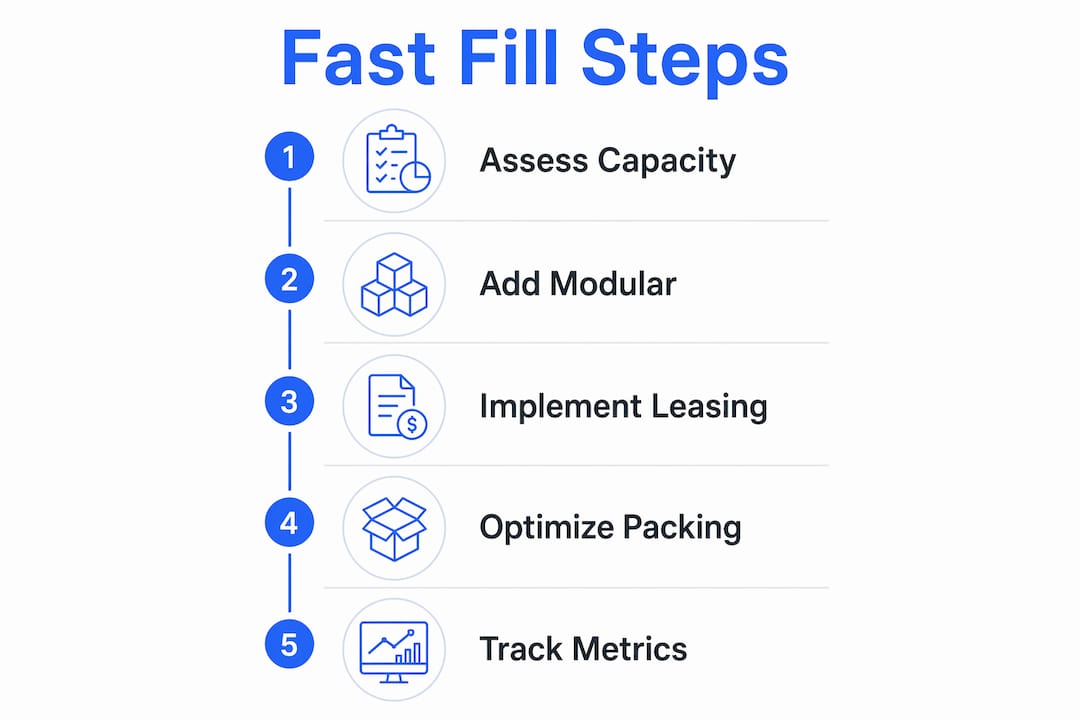
Online reservations remove the single biggest delay in the leasing process: the phone call or in-person visit. When a renter can book a unit at 11:00 PM on a Sunday, you capture demand that would otherwise evaporate by Monday morning. Pair that with AI-powered unit size estimators that give instant, personalized recommendations, and you eliminate the hesitation that kills conversions. Renters who are unsure whether they need a 5x10 or a 10x10 will abandon the process without a clear answer.
Staff behavior is a leasing variable that operators consistently underestimate. A friendly, knowledgeable team member who can walk a renter through unit options in under five minutes closes more leases than any promotional discount. Train staff to lead with solutions, not policies.
The best practices for a fast rental process include:
- Offer online booking with same-day or next-day move-in confirmation
- Display unit sizes with visual comparisons, not just square footage numbers
- Accept digital signatures to eliminate paperwork delays
- Provide flexible lease terms including weekly and short-term options
- Train staff to answer unit size questions without referring renters to a brochure
- Follow up on abandoned online reservations within two hours
For operators building out their digital leasing tools, the combination of online booking and AI size guidance is the highest-return investment available in 2026.
What are the best ways to optimize packing for faster unit filling?
Efficient packing guidance is a direct occupancy driver. When renters use their units well, they stay longer, refer others, and rarely complain. When they pack poorly, they run out of space, feel frustrated, and leave.
Drive-up access units enable faster loading and better packing practices because renters can move items directly from a vehicle without navigating hallways or elevators. Educating renters on how to use drive-up units efficiently reduces on-site time and increases throughput across your entire facility. A renter who spends 45 minutes loading instead of two hours is a satisfied renter.
Modular shelving inside units prevents what operators call "storage roulette," the situation where a renter stacks items randomly, forgets what is where, and eventually stops accessing the unit altogether. A renter who cannot find their belongings stops paying. Modular shelving keeps items organized and renters engaged with their space.
Unit layout maps taped inside the unit door give renters a reference point for organizing their belongings. This simple addition reduces calls to your office asking where items are and improves the overall move-in experience. Renters who feel in control of their space renew at higher rates.
Packing do's and don'ts for faster unit acceptance:
- Do stack boxes from floor to ceiling along the back wall, heaviest items on the bottom
- Do leave a center aisle for access to items stored at the rear
- Do label every box on the side facing the aisle, not the top
- Don't place furniture flat on concrete floors without a pallet or tarp underneath
- Don't pack appliances without draining them first
- Don't block the unit door with large items that need frequent access
Pro Tip: Concrete floors wick moisture. Advise every renter to place a tarp or wooden pallets under stored items. Moisture prevention reduces damage complaints and protects your facility's reputation.
How to troubleshoot common mistakes that slow unit filling
Most operators who struggle to fill units quickly share the same set of fixable problems. Identifying them early saves months of lost revenue.
-
Poor unit accessibility. Units that require renters to carry items up stairs or through narrow corridors convert at lower rates. Audit your facility from a renter's perspective and prioritize drive-up or ground-level units in your marketing.
-
No layout maps or signage. Renters who cannot navigate your facility get frustrated and call for help repeatedly. Layout maps inside units and clear exterior signage reduce friction and speed up move-in.
-
Rigid lease terms. A facility that only offers month-to-month leases misses renters with short-term needs. Add weekly and emergency rental options to capture that segment.
-
Ignoring rental velocity metrics. Operators who do not track how long units sit vacant cannot identify which unit sizes or locations are underperforming. Review vacancy duration by unit type monthly and adjust pricing or marketing accordingly. Pairing this with revenue growth strategies gives you a complete picture of where to act.
-
Skipping customer education. Renters who pack poorly blame the facility when things go wrong. A one-page packing guide handed out at move-in prevents most common complaints and reduces early move-outs.
-
Concrete moisture damage. Failing to warn renters about floor moisture leads to damaged goods and negative reviews. A single bad review citing damaged belongings costs more in lost future rentals than any packing guide costs to produce.
Key Takeaways
Filling storage units fast requires combining rapid infrastructure deployment, vertical space use, flexible leasing, and clear customer guidance at every step of the rental process.
| Point | Details |
|---|---|
| Deploy modular capacity quickly | Modular solutions add substantial capacity in 3–4 days, capturing demand before it moves to a competitor. |
| Use vertical space aggressively | Vertical storage systems reclaim up to 90% of floor space, increasing unit density without expanding land. |
| Remove leasing friction | Online booking, digital signatures, and flexible lease terms convert renters faster than any discount. |
| Educate renters on packing | Packing guides and unit layout maps reduce complaints, improve retention, and speed up move-in. |
| Track vacancy by unit type | Monitoring rental velocity by unit size reveals underperforming inventory before it becomes a revenue problem. |
What I have learned from watching operators fill units fast and slow
The operators who fill units fastest are not the ones with the lowest prices or the biggest marketing budgets. They are the ones who have removed every possible reason for a renter to hesitate or walk away.
What surprises most facility owners is how much of their vacancy problem lives in the leasing process, not the market. I have seen facilities in competitive zip codes achieve strong occupancy simply by adding online booking and a unit size estimator. The demand was already there. The facility was just making it too hard to say yes.
Vertical storage is the other area where I see consistent underinvestment. Operators look at their floor plan and see a fixed number of units. Vertical systems change that math entirely. A facility that reconfigures its space with modular shelving and vertical solutions can serve more renters in the same footprint without a single new lease on land.
The mistake I see most often is treating customer education as optional. Renters who understand how to pack efficiently, how to use drive-up access, and how to organize their unit stay longer and cause fewer problems. That is not a soft benefit. It is a direct driver of occupancy and retention. Review your storage organization systems regularly and share what works with every new renter from day one.
— Mike
How Corvanesystems helps operators fill units faster online
Filling units fast depends on more than what happens inside your facility. Renters have to find you first. Corvanesystems is built specifically for self-storage operators who need to be visible when potential renters search on Google or ask an AI assistant where to store their belongings.
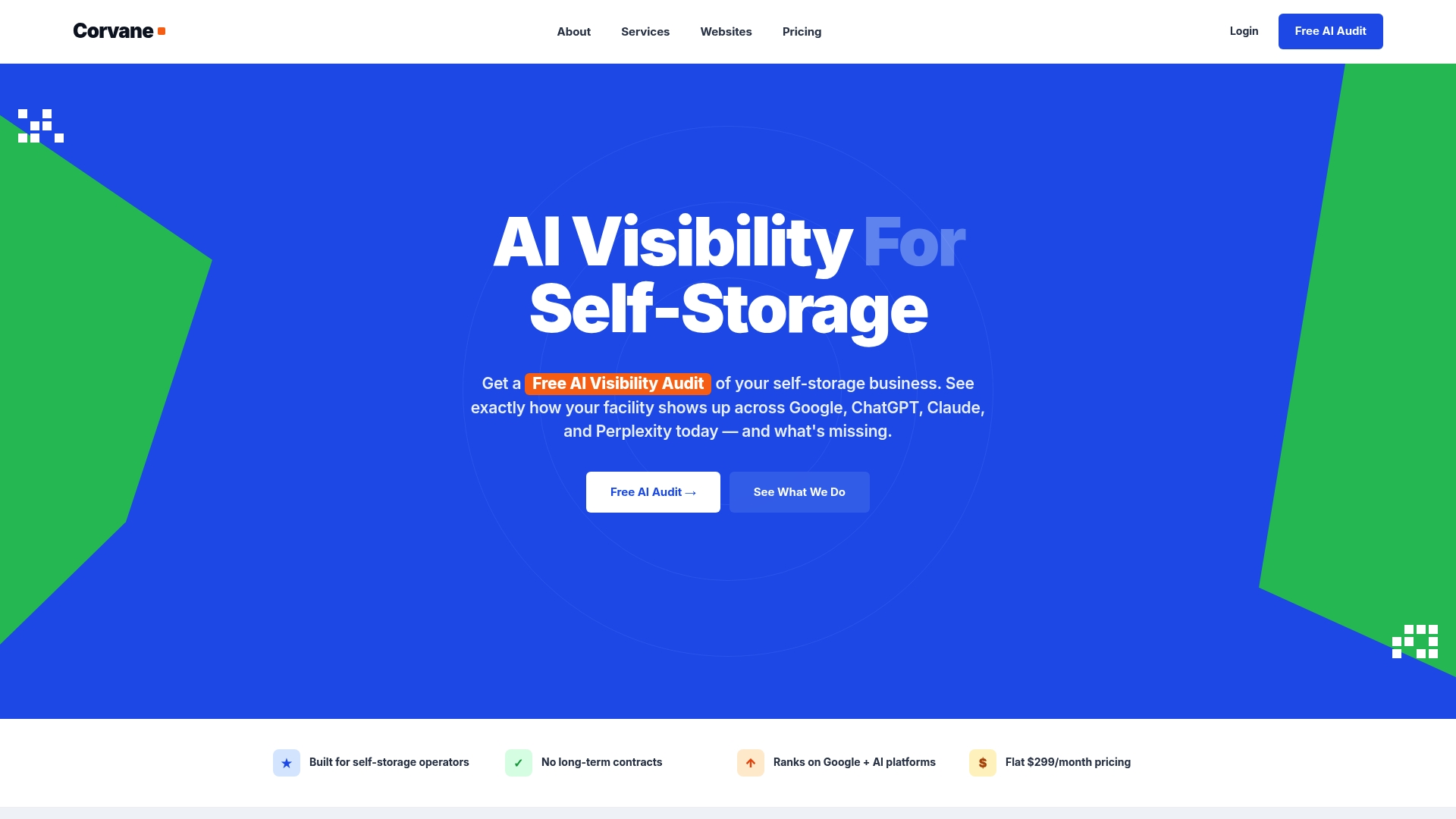
Corvanesystems combines traditional SEO with Generative Engine Optimization, so your facility appears in both standard search results and AI-generated answers on platforms like ChatGPT, Perplexity, and Google AI Overviews. The service includes 30 keyword-optimized articles published monthly, local search positioning, Google Business Profile management, and AI visibility audits. One flat monthly rate, no contracts. Visit Corvanesystems to see how your facility's current search and AI visibility stacks up.
FAQ
How fast can a storage facility add new unit capacity?
Modular storage solutions can be installed in 3–4 days, adding between 5,000 and 60,000 metric tons of capacity. This makes modular deployment the fastest option for operators responding to sudden demand increases.
What rental process change has the biggest impact on occupancy speed?
Adding online booking with same-day move-in confirmation removes the most common delay in the leasing process. Pairing it with an AI-powered unit size estimator eliminates the hesitation that causes renters to abandon the booking process.
How does vertical storage help fill units faster?
Vertical storage systems reclaim up to 90% of floor space, allowing a facility to serve more renters in the same physical footprint. More available units at any given time means more opportunities to lease without expanding the property.
Why do renters leave units early, and how does that affect fill rates?
Poor packing practices and moisture damage are the two leading causes of early move-outs. Providing a packing guide at move-in and advising renters to use pallets or tarps on concrete floors reduces complaints and improves retention.
What metrics should operators track to maintain fast fill rates?
Track vacancy duration by unit type and size on a monthly basis. Units that sit vacant longer than your facility average signal a pricing, accessibility, or marketing problem that needs a specific fix, not a general promotion.