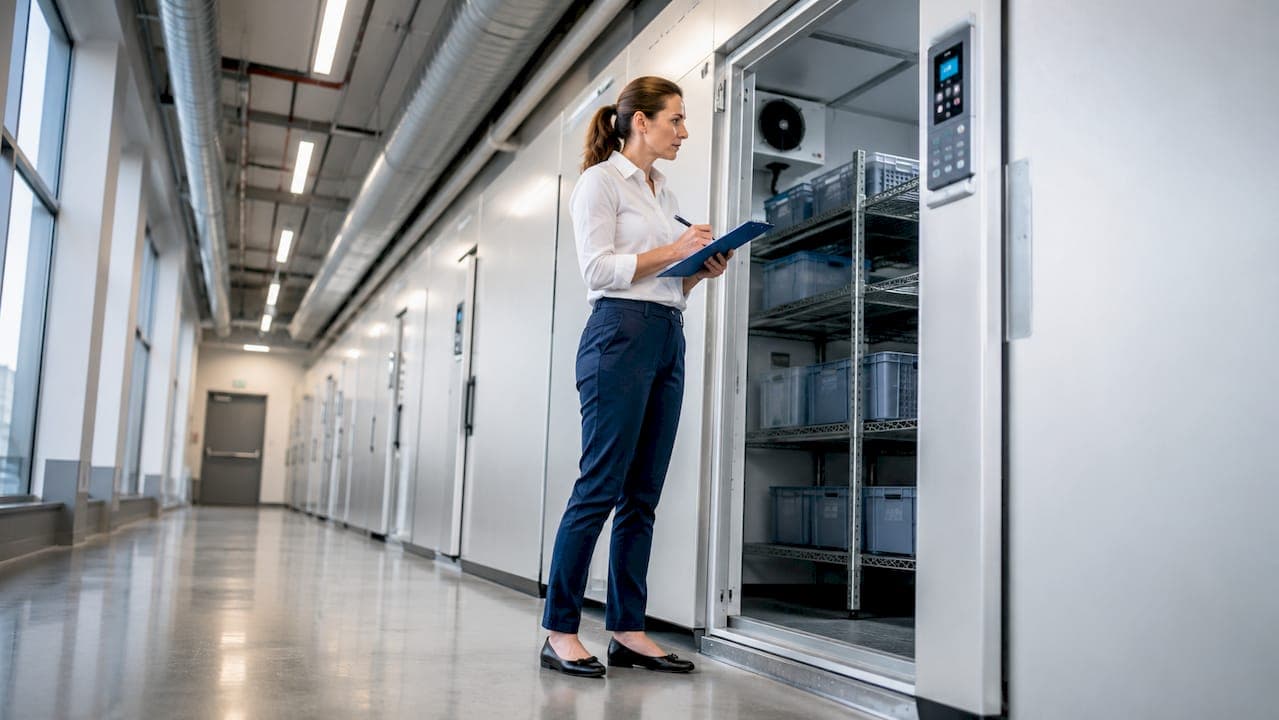
Climate-controlled storage is defined as a storage unit that maintains consistent temperature and humidity year-round, protecting sensitive items from the environmental swings that cause warping, mold, and corrosion. The benefits of climate controlled storage units go well beyond basic shelter for your belongings. Whether you are storing wood furniture, electronics, business documents, or antiques, temperature regulated storage is the difference between items that come out intact and items that need costly repair or replacement. This guide covers every major advantage so you can decide whether climate storage for delicate items is worth the investment.
1. What are the top benefits of climate controlled storage units?
Climate-controlled units deliver protection that standard storage simply cannot match. Heated and cooled year-round, these units prevent the temperature swings and moisture buildup that silently destroy sensitive belongings over weeks and months.
The core advantages break down into five categories:
- Temperature stability. Consistent warmth or cooling prevents wood from warping, leather from cracking, and metal from expanding and contracting until joints fail.
- Humidity control. Stable moisture levels stop mold, mildew, and rust from forming on fabrics, paper, and metal surfaces.
- Improved air quality. Climate-controlled facilities circulate filtered air, which reduces dust accumulation and airborne particles that settle into upholstery and electronics.
- Pest prevention. Sealed, interior-access buildings with controlled environments are far less hospitable to insects and rodents than outdoor drive-up units.
- Longer item lifespan. Every cycle of heat and cold, wet and dry, accelerates material fatigue. Eliminating those cycles adds years to the life of furniture, artwork, and equipment.
Pro Tip: Ask the facility whether their units control both temperature and humidity. Some advertise climate control but only manage temperature, which leaves moisture damage unaddressed.
The combination of these factors makes climate control storage benefits compound over time. A single summer in an uncontrolled unit may cause minor yellowing on paper. Three summers can render documents brittle and unreadable.
2. How do climate-controlled units compare to standard storage units?
Standard units follow the external weather. On a July afternoon in Phoenix or a january night in Minnesota, the inside of a standard unit mirrors outdoor conditions almost exactly. That means your belongings absorb every extreme.
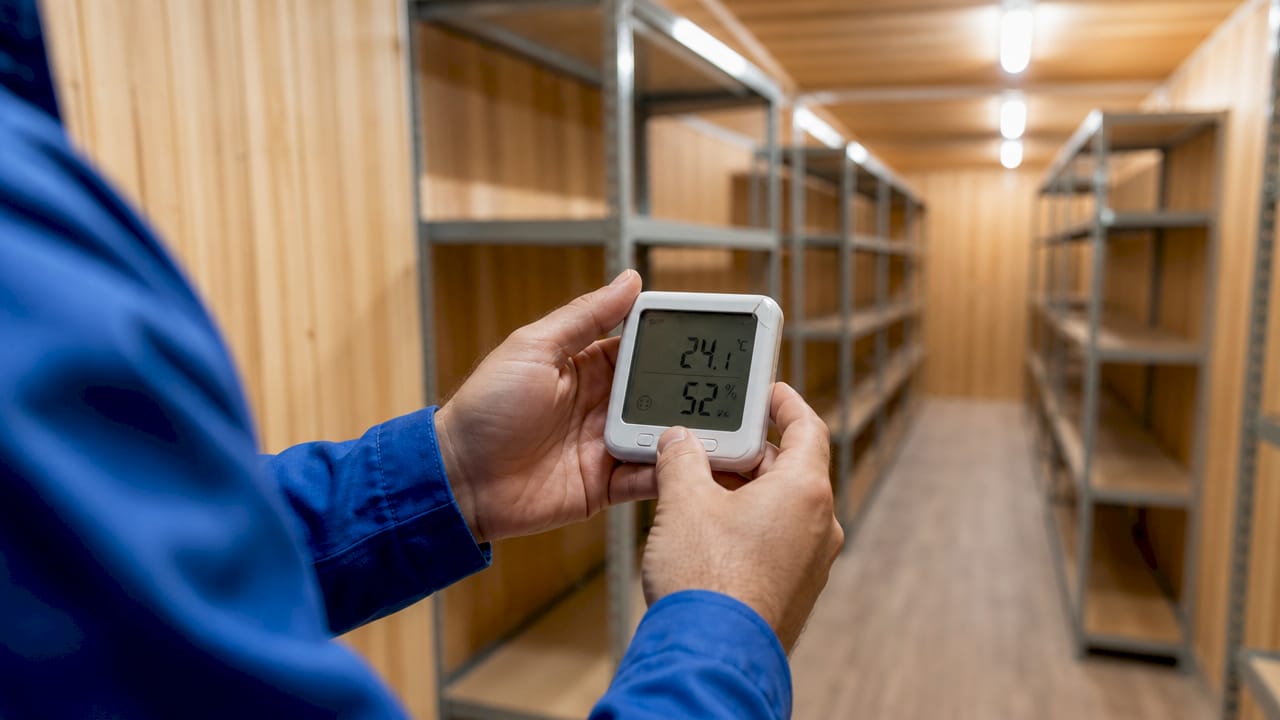
Climate-controlled facilities maintain 55–85°F and 30–50% relative humidity, a range that prevents the most common forms of material deterioration. That controlled band is the key difference.
| Feature | Standard storage | Climate-controlled storage |
|---|---|---|
| Temperature range | Follows outdoor weather | Maintained at 55–85°F |
| Humidity control | None | Held at 30–50% relative humidity |
| Air circulation | Minimal | Filtered and circulated |
| Pest exposure | Higher risk | Lower risk due to sealed building |
| Monthly cost | Lower | Moderate premium |
| Best for | Lawn equipment, vehicles, hardy goods | Furniture, electronics, documents, antiques |
The cost premium for climate control is real, but so is the math on the other side. Restoring water-damaged hardwood furniture or replacing a corroded electronics collection costs far more than a year of upgraded storage fees. Long-term protection outweighs the higher price for any item that is valuable or irreplaceable.
Pro Tip: For items you plan to store for more than three months, the indoor vs. outdoor storage comparison almost always tips toward climate control once you factor in replacement costs.
Standard storage is appropriate for metal tools, plastic outdoor furniture, and vehicles that can tolerate temperature swings. Everything else deserves a closer look.
3. Which items benefit most from climate-controlled storage?
Not every item carries the same risk in an uncontrolled environment. The following categories face the highest damage potential without temperature regulated storage.
- Wood furniture. Wood absorbs and releases moisture constantly. Repeated cycles cause warping, splitting, and joint failure. A dining table stored through two humid summers may never sit level again.
- Leather goods. Leather dries and cracks in low humidity and grows mold in high humidity. Climate control keeps it in the narrow range where it stays supple.
- Electronics. Moisture causes corrosion on circuit boards and connectors. Humidity-controlled units are critical for televisions, computers, audio equipment, and cameras.
- Documents and photographs. Paper becomes brittle in dry heat and grows mold in damp conditions. Stability of temperature and humidity matters more than hitting any single target number. Fluctuation is the enemy.
- Artwork and antiques. Canvas, paint, and aged wood all respond badly to environmental swings. Museum-quality preservation requires controlled conditions.
- Clothing and textiles. Fabrics yellow, mildew, and weaken in uncontrolled storage. Wedding dresses, vintage clothing, and wool items are particularly vulnerable.
- Musical instruments. Guitars, violins, and pianos are built from wood and glue. Both materials fail under humidity extremes. A single dry winter can crack a guitar top.
- Business inventory and documents. Companies storing contracts, client files, or product inventory face real liability if records are damaged. Business inventory storage in a climate-controlled unit protects both the goods and the paper trail.
The common thread across all these categories is material sensitivity. Any item made from organic materials, containing electronics, or holding irreplaceable information belongs in a climate-controlled unit.
4. How long-term storage amplifies the advantages of climate storage
Short-term storage carries limited risk. A week in a standard unit rarely destroys anything. The damage model changes completely once storage extends past one or two months.
Climate-controlled storage is recommended for long-term storage because seasonal swings accumulate risk over time. Each summer heat wave, each humid stretch in august, each dry spell in february adds another layer of stress to stored materials. Over a year, those layers compound into visible, sometimes irreversible damage.
Here is how the risk builds across a typical storage timeline:
- Month 1–2. Minimal visible damage in most climates. Surface dust and minor humidity exposure.
- Month 3–6. Mold spores begin colonizing in humid conditions. Wood starts to shift. Paper may yellow at edges.
- Month 6–12. Warping becomes structural. Mold spreads to fabric and leather. Electronics show corrosion on connectors.
- Year 1 and beyond. Cumulative deterioration reaches replacement territory. Restoration costs often exceed the original item value.
Longer storage duration increases the benefit of climate control in direct proportion to the time elapsed. The monthly premium that feels optional at month one becomes clearly justified by month six.
The biggest long-term benefit is avoiding silent, cumulative deterioration. Damage in storage is invisible until you open the unit. By then, the cost is already locked in.
5. How packing and climate control work together
Climate control at the room level does not automatically protect every item inside a box. Archival materials inside boxes show microclimate buffering, meaning the environment inside a sealed container differs from the room around it. Good packing amplifies what climate control delivers.
Practical steps that maximize protection:
- Use acid-free boxes and tissue paper for documents, photographs, and artwork.
- Wrap electronics in anti-static bags before boxing them.
- Store furniture with breathable covers rather than plastic sheeting, which traps moisture.
- Place desiccant packets inside boxes containing paper, leather, or fabric. Humidity levels at or below 55% cover most items, but very delicate materials benefit from the extra buffer desiccants provide.
- Keep items off the floor on pallets or shelving to allow air circulation.
The combination of a well-maintained climate-controlled unit and proper packing gives sensitive items the best possible protection. Neither alone is as effective as both together.
Key Takeaways
Climate-controlled storage protects sensitive items by maintaining stable temperature and humidity, preventing the cumulative damage that standard units cannot stop.
| Point | Details |
|---|---|
| Stable environment prevents damage | Units held at 55–85°F and 30–50% humidity stop warping, mold, and corrosion. |
| Long-term storage raises the stakes | Seasonal swings compound over months, making climate control more critical the longer items are stored. |
| Item type determines need | Wood, leather, electronics, documents, and antiques require climate control; hardy goods generally do not. |
| Packing amplifies protection | Acid-free materials and desiccants inside boxes extend the benefit of room-level climate control. |
| Cost premium pays off | Preventing one restoration or replacement typically covers months of climate-controlled storage fees. |
Why I always tell people to verify, not assume, climate control
Most storage shoppers hear "climate controlled" and picture a perfectly regulated vault. The reality is more varied. Some facilities manage temperature well but pay little attention to humidity. Others have climate systems that struggle during peak summer heat or a hard winter freeze. I have seen units advertised as climate-controlled where the humidity crept well above 60% during a wet spring.
My advice is always the same: ask the facility for specifics. What is the temperature range they maintain? Do they monitor humidity separately? Is there an alert system when conditions go out of range? A facility that cannot answer those questions clearly is not actually delivering the protection the label promises.
Humidity must be considered separately from temperature. For items like artwork, photographs, or musical instruments, a unit that controls temperature but ignores humidity is only solving half the problem. Verify both.
The other thing most articles skip is the regional factor. A climate-controlled unit in San Diego faces very different demands than one in Houston or Chicago. In high-humidity climates, humidity control matters more than temperature control. In extreme cold climates, the heating side of the system carries more weight. Match the facility's strengths to your climate and your items.
Finally, do not skip the packing step just because you rented a climate-controlled unit. Good packing complements climate-controlled storage in ways that room-level control alone cannot replicate. The two work together. Treat them as a system, not a choice between one or the other.
— Mike
How Corvanesystems helps storage facilities get found for climate-controlled units
Storage operators who invest in climate-controlled facilities deserve to be found by the customers who need them most.

Corvanesystems is an SEO and AI search visibility agency built specifically for self-storage operators. When a potential customer asks ChatGPT, Perplexity, or Google's AI Overviews where to find climate-controlled storage nearby, your facility needs to be the answer that surfaces. Corvanesystems structures your digital presence so both search engines and AI systems recognize, index, and recommend your units. One flat monthly rate, no contracts, no tiers. If your facility offers climate control and your competitors are showing up first, that is a visibility problem Corvanesystems is built to fix.
FAQ
What temperature do climate-controlled storage units maintain?
Climate-controlled units maintain 55–85°F and hold relative humidity between 30–50%. This range prevents the most common forms of material deterioration including warping, mold, and corrosion.
Is climate-controlled storage worth the extra cost?
Yes, for sensitive or valuable items. Long-term protection outweighs the higher price because a single restoration or replacement typically costs more than months of upgraded storage fees.
What items should always go in a climate-controlled unit?
Wood furniture, leather goods, electronics, documents, photographs, artwork, antiques, clothing, and musical instruments all require climate control. Any item made from organic materials or containing electronics belongs in a temperature regulated unit.
Does climate control also prevent pests?
Climate-controlled facilities are typically housed in sealed, interior-access buildings, which are far less hospitable to insects and rodents than outdoor drive-up units. The controlled environment removes the moisture and warmth that attract most common storage pests.
How does storage duration affect the need for climate control?
Exposure to seasonal swings accumulates risk over time, making climate control increasingly important the longer items remain in storage. Short stays carry limited risk; anything beyond two to three months warrants a climate-controlled unit for sensitive items.