
This operator-ready storage unit furniture protection checklist prevents the most common causes of furniture damage, reduces customer claims, and can be handed to tenants at move-in or published directly on your facility website. Fewer claims mean fewer disputes, easier upsells on climate control and packing supplies, and stronger reviews. Published by Corvanesystems, a search and AI visibility agency built for the self-storage industry.

TL;DR: Clean it, wrap it breathably, elevate it, lock it, insure it.
Customer-ready checklist (copy and paste):
- Deep-clean and fully dry every piece before move-in
- Disassemble large items; bag and label all hardware
- Wrap in moving blankets or cotton sheets, never bare plastic
- Elevate everything on pallets or boards to prevent contact with concrete floors
- Choose a climate-controlled unit for wood, leather, or long-term storage
- Use a disc lock; avoid standard padlocks
- Carry renter's insurance and photograph every item before the door closes
Download the full printable template in the section below.
Table of Contents
- What does your printable checklist and staff sign-off sheet look like?
- Why cleaning is the highest-ROI step before any furniture goes in
- What packing materials should you stock and recommend?
- How should you set up the unit for airflow and environmental control?
- How do you prevent pests and moisture from destroying stored furniture?
- What security features should every tenant meet?
- Special-item guidance: leather, wood, electronics, and mattresses
- How should you document and insure stored furniture?
- How long does prep take, and what does it cost?
- How do you turn this checklist into local search traffic and bookings?
- Key Takeaways
- Why standardizing this checklist protects your revenue and reputation
- Corvanesystems turns your checklist into a local search asset
- Sources, expert attributions, and credits
What does your printable checklist and staff sign-off sheet look like?
A ready-to-use template gives your staff a consistent intake process and gives customers a clear standard to meet. The template has three parts: a customer checklist, a staff sign-off table, and a photo-inventory log.
Template contents:
| Section | What it captures |
|---|---|
| Customer checklist | Cleaning, disassembly, wrapping, elevation, lock type, insurance confirmation |
| Staff sign-off table | Unit number, move-in date, staff initials, lock verified, photo count |
| Photo-inventory log | Item name, photo filename, timestamp, condition notes |
Staff should complete the sign-off table at move-in, photograph the unit from three angles (front, left wall, right wall), name files as UNIT#_DATE_ANGLE.jpg, and upload to a shared cloud folder (Google Drive or Dropbox works fine). Store the signed paper copy in the tenant's physical file and the digital copy in their folder. Operators can embed a short HTML version in move-in confirmation emails or on a facility page.
HTML snippet for move-in emails:
<ul>
  <li>Clean and dry all furniture before move-in</li>
  <li>Use breathable covers, not bare plastic</li>
  <li>Elevate items on pallets</li>
  <li>Use a disc lock</li>
  <li>Confirm renter's insurance</li>
</ul>
Why cleaning is the highest-ROI step before any furniture goes in
Residual debris — dust, crumbs, skin oils, cleaning residue — is a primary damage vector. Once a unit is sealed, that microscopic debris becomes active food for mold and pests. Cleaning is not cosmetic. It is structural defense.
Operator cleaning checklist by material:
- Wood: wipe with a wood-safe cleaner, minimal moisture, dry completely before wrapping
- Upholstery: vacuum seams and under cushions, spot-treat stains, air dry fully
- Leather: clean with a leather-safe product, apply a light conditioner to prevent cracking
- Metal: wipe down, dry thoroughly to prevent rust
Staff photo protocol: photograph each piece from front, side, and top before wrapping. Name files UNIT#_ITEM_DATE.jpg. Upload immediately to the tenant's cloud folder. Attach a timestamped thumbnail to the rental agreement.
Sample policy text for rental agreements:
"All furniture must be cleaned and fully dried before placement in the unit. Residual moisture or debris that causes damage during the rental period is the tenant's responsibility."
Pro Tip: The single step customers most often skip is drying time. Leather and upholstery can feel dry to the touch while still holding moisture in seams. Require a minimum 24-hour dry time after cleaning before wrapping.
What packing materials should you stock and recommend?
Never wrap wood, leather, or upholstery directly in plastic. Stretch wrap traps moisture and causes mold and finish damage. Use breathable layers first; plastic wrap only secures them.
Recommended materials:
- Moving blankets and furniture pads (primary layer for all hard surfaces)
- Cotton sheets or breathable fabric covers (upholstery and leather)
- Acid-free packing paper (glass shelves, mirrors, decorative surfaces)
- Bubble wrap (glass tabletops, fragile decorative pieces)
- Cardboard sheets (over padding on flat wood surfaces to distribute pressure)
- Mattress storage bags (sealed only after the mattress is fully dry)
Materials to avoid: newspaper (ink transfer), bare plastic directly on wood or leather, garbage bags on upholstery, unpadded stacking of any kind.
| Material | Recommended use | Approx. retail cost |
|---|---|---|
| Moving blanket | Primary wrap for wood, metal | — |
| Mattress bag | Mattress storage | — |
| Bubble wrap roll | Glass and fragile surfaces | — |
| Acid-free paper | Mirrors, decorative items | — |
| Disc lock | Unit security | — |
Stock moving blankets, mattress bags, and disc locks at the office. Present them as a bundled "protection kit" at move-in for a simple upsell.
How should you set up the unit for airflow and environmental control?
Elevation and airflow matter as much as wrapping. Concrete floors hold moisture even in well-maintained facilities, and anything sitting directly on the floor is at risk.
- Lay pallets or sturdy boards across the floor before any furniture goes in.
- Place all major pieces on the pallets; no item should touch bare concrete.
- Leave 2–3 inches between furniture and walls to allow air circulation.
- Leave a narrow center aisle for inspection access and ventilation.
- Store heavy, rigid pieces (dressers, solid tables) toward the back; lighter pieces toward the front.
For climate-controlled units, the target band is roughly 55°F–85°F with regulated humidity to prevent warping, leather cracking, and mold. Recommend climate control for wood, leather, antiques, and any storage expected to last longer than three months.
Move-in upsell script: "For furniture like yours, a climate-controlled unit keeps temperature and humidity stable year-round. It's the single most effective way to prevent warping and mold. Want me to show you what's available?"
| Unit type | Best for | Climate target |
|---|---|---|
| Standard | Hardy outdoor furniture, metal items | Ambient |
| Climate-controlled | Wood, leather, upholstery, antiques | 55°F–85°F, regulated humidity |
How do you prevent pests and moisture from destroying stored furniture?
Pests and moisture accelerate once a unit is sealed. Prevention is almost entirely about exclusion and cleanliness before the door closes.
Inspection schedule:
| Inspection point | What staff should check |
|---|---|
| Move-in | Debris, moisture, existing pest signs, seal integrity |
| 3 months | Moisture under pallets, cover slippage, pest droppings |
| 6 months | Mold on fabric/leather, structural shifting, desiccant saturation |
| 12 months | Full condition review, photo update, insurance confirmation |
- Place silica gel packets or desiccant packs inside wrapped furniture groupings, not loose on the floor.
- Use snap traps along unit perimeter walls; check at every scheduled inspection.
- Seal cardboard box openings with tape; open boxes are pest entry points.
- Never store food, plants, or anything organic alongside furniture.
Pro Tip: Hidden moisture shows up first under pallets and behind wall-adjacent furniture. At every inspection, lift one pallet corner and check the concrete underneath. A damp spot means the unit needs a desiccant upgrade or a climate-control conversation with the tenant.
What security features should every tenant meet?
Security is a layered system: gate codes, perimeter fencing, lighting, video surveillance, and renter lock quality all work together. No single feature is enough on its own.
Required security checklist for tenants:
- Disc lock on every unit (not a standard padlock)
- Unique keypad access code, not shared with other tenants
- Confirm video surveillance covers the gate and drive lanes
- Photograph the locked unit at move-in and after every visit
Sample move-in policy text:
"This facility requires a disc lock on all units. Standard padlocks are not permitted. Video surveillance is active at all entry points. Your access code is unique to your account."
Cameras, gates, and staff presence reduce incidents, but they do not replace renter insurance or good tenant habits.
Marketing snippet for your website: "Layered security: gated access, 24/7 video surveillance, and disc-lock requirement on every unit."
Pro Tip: Post the disc-lock requirement on the unit door itself, not just in the rental agreement. Tenants who see it at the door comply at a much higher rate than those who only read it in paperwork.
Special-item guidance: leather, wood, electronics, and mattresses
Each material category has one non-negotiable rule. Everything else follows from it.
- Leather: clean and condition before storage; require a climate-controlled unit for stays longer than 90 days. Never use plastic directly on leather.
- Wood: clean, apply a light wax or polish, wrap in moving blankets, and store upright when possible. Avoid direct plastic contact, which traps moisture and damages the finish.
- Electronics: remove all batteries before storage; use original manufacturer boxes when available; keep in climate-controlled units since heat above 85°F degrades components.
- Upholstery: vacuum thoroughly, dry completely, cover with breathable fabric only. Never use garbage bags or airtight plastic.
- Mattresses: store upright on their side with full support and nothing stacked on top. Even light boxes cause permanent sagging. Use a mattress-specific bag only after the mattress is fully dry.
Pro Tip: Sofas stored flat compress permanently. Stand them on their end and place cardboard along the bottom contact edge to prevent fabric scuffs. It also frees up floor space for better airflow.
How should you document and insure stored furniture?
Insurance and documentation reduce financial exposure and speed dispute resolution. Facility security features reduce risk, but they do not replace renter insurance.
Sample rental agreement language:
"Tenant is required to carry renter's insurance or enroll in the facility's tenant protection plan covering stored contents. Proof of coverage must be provided at move-in."
Photo checklist for staff:
- Minimum three angles per unit (front, left wall, right wall)
- Resolution: 1080p or higher
- Filename format:
UNIT#_DATE_ANGLE.jpg - Upload to tenant's cloud folder within 24 hours of move-in
How long does prep take, and what does it cost?
Giving customers realistic time and cost estimates reduces friction at move-in and makes your bundled services easier to sell.
| Task | Estimated time | Typical material cost |
|---|---|---|
| Clean and dry furniture | 1–3 hours | — |
| Disassemble and bag hardware | 30–90 minutes | Minimal |
| Wrap items in moving blankets | 1–2 hours | — |
| Palletize and elevate | 30 minutes | — |
| Photo-document inventory | 30 minutes | Free (smartphone) |
Service packaging suggestion:
- Basic: moving blankets and disc lock ($25–$45)
- Recommended: blankets, disc lock, desiccant packs, mattress bag ($50–$80)
- Premium: all above plus climate-controlled unit and a 3-month inspection ($100+ monthly)
For long-term storage, periodic inspections at 3, 6, and 12 months are worth offering as a paid add-on. Customers who know someone is checking in are also less likely to abandon units.
How do you turn this checklist into local search traffic and bookings?
Good on-site content converts checklist views into bookings. A published, well-structured checklist page ranks for "how to store furniture" queries and gets cited by AI tools like ChatGPT and Perplexity when users ask for storage advice.
Immediate SEO actions:
- Publish the checklist as a standalone page, not buried in a blog post
- Use a meta title like: Storage Unit Furniture Protection Checklist | [Facility Name]
- Use a meta description like: "Protect your furniture in storage with our free checklist. Covers cleaning, packing, climate control, and security. Download the printable version."
- Add JSON-LD HowTo structured data so Google can surface individual steps in AI Overviews
- Link the checklist page from your homepage, move-in confirmation email, and Google Business Profile posts
Pro Tip: AI tools cite pages that answer questions directly and early. Put the checklist bullets in the first 200 words of the page, not after three paragraphs of context. That structure is what gets you into AI-generated answers.
| KPI | How to track |
|---|---|
| Template downloads | Google Analytics event tracking |
| Checklist page organic traffic | Google Search Console |
| "Storage near me" local ranking | Google Business Profile Insights |
| CTA clicks to contact/book | Analytics goal conversion |
Key Takeaways
A standardized furniture protection checklist, published on your facility website and handed to every tenant at move-in, reduces damage claims, supports climate-control upsells, and builds the on-site content that drives local search and AI referrals.
| Point | Details |
|---|---|
| Clean before storing | Residual debris causes mold and pest damage once a unit is sealed; require proof of cleaning at move-in. |
| Breathable wrapping only | Moving blankets first, stretch wrap only to secure them; never bare plastic on wood, leather, or upholstery. |
| Elevate and ventilate | Pallets off the concrete floor plus 2–3 inch wall gaps prevent moisture and improve airflow. |
| Layer your security | Disc locks, unique gate codes, and video surveillance work as a system; no single feature is sufficient. |
| Corvanesystems publishes and optimizes | Corvanesystems converts this checklist into an SEO- and AI-optimized page that drives local bookings for your facility. |
Why standardizing this checklist protects your revenue and reputation
Most operators treat the move-in process as paperwork. That framing costs them money. A standardized checklist is actually a revenue tool: fewer damage claims mean fewer disputes, faster unit turnovers, and cleaner reviews. Cleaner reviews drive occupancy. The math is straightforward.
What operators underestimate is the marketing side. A consistent checklist gives your front desk staff a script, your website a content asset, and your Google Business Profile a reason to post. It also gives you something concrete to say when a prospective tenant asks, "How do you protect my stuff?" That answer, delivered confidently and backed by a printed handout, closes rentals.
The operators I see struggling with occupancy are usually the ones who treat content and operations as separate problems. They are the same problem. A checklist that lives only in a filing cabinet does half the work. Published, structured, and optimized, it does the other half too.
Corvanesystems turns your checklist into a local search asset
Most storage operators have the right instincts about protecting furniture. What they rarely have is a system that turns those instincts into a published, findable, bookable page. That is the gap Corvanesystems closes.
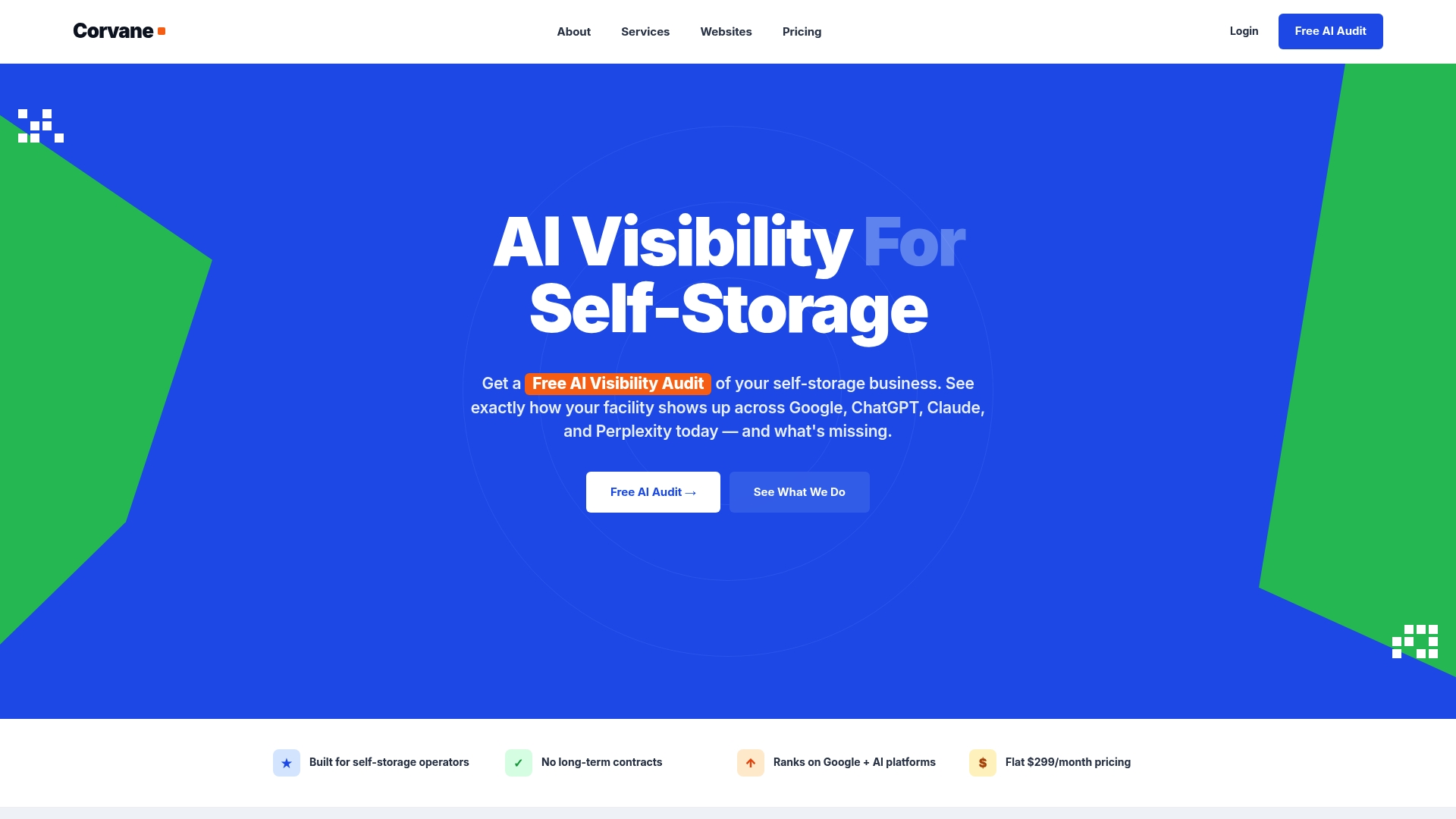
Corvanesystems publishes 30 keyword-optimized articles per month for storage facilities, structures them for AI citation, and tracks the rankings and traffic that result. The furniture protection checklist above is exactly the kind of content that ranks for "how to store furniture" queries and gets pulled into AI-generated answers on ChatGPT, Perplexity, and Google's AI Overviews. We handle the writing, the on-page SEO, the JSON-LD markup, and the Google Business Profile posts that amplify it. One flat monthly rate, no contracts.
Get your checklist published and found by the tenants searching for it right now.
Sources, expert attributions, and credits
- Ark Self Storage — wrapping protocol and breathable-cover guidance
- Mark Ratcliffe Moving — cleaning as structural defense; drying-time requirements; periodic inspection cadence
- Modern Storage — layered security system guidance and disc-lock recommendation
- StorageUnitGuide.org — security features and renter insurance requirements
- TrustedSelfStorage — sofa upright storage and mattress handling
- Bolt Storage — climate-control recommendation for long-term furniture storage
- Corvanesystems — checklist structure, SEO/AI optimization guidance, downloadable template, and JSON-LD HowTo sample
This article is general operational guidance for self-storage facility operators. For insurance requirements and legal language in rental agreements, confirm current rules with a qualified professional in your state.